
Featured - 2min read
Next
Random Acts Of Fitness
Why so many business leaders over 40 stay stuck.

One of the more common conversations I have with business leaders goes something like this:
"I'm quite active."
When we dig into things, they're usually right.
They walk most days. They play golf. The odd game of padel. They might squeeze in a park run on the weekend or even make it to the gym when work allows.
On paper, they're doing more than most. Yet despite all that activity, they're still carrying more body fat than they would like, their energy levels are inconsistent, and they often feel frustrated when they catch their reflection in the mirror or struggle to button up a suit jacket that fitted comfortably a few years ago.
It's a position that many leaders over 40 find themselves in. They're putting effort into their health, but the effort is not translating into meaningful results.
The reason isn't a lack of discipline, but often a lack of structure.
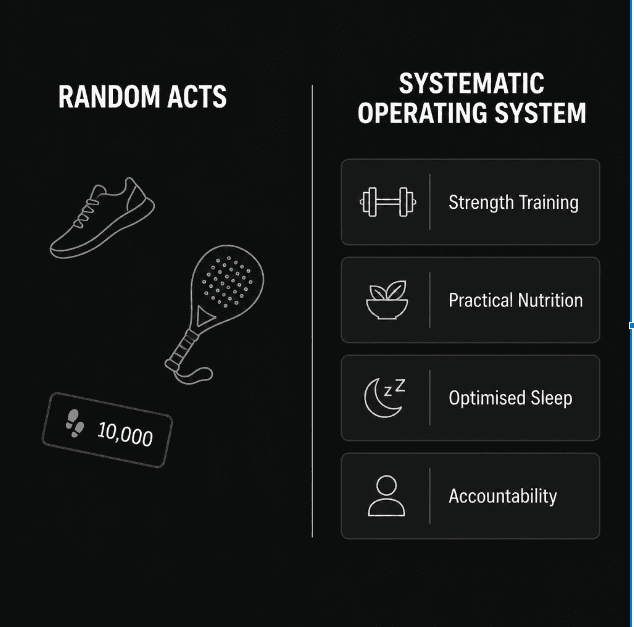
Over the years, I have found that many people rely on what I call Random Acts of Fitness.
What Are “Random Acts of Fitness”?
Random Acts of Fitness are what happen when a successful person treats health like a loose collection of good intentions.
Not a plan. Not a system. Just a few pieces that sound healthy when listed quickly.
The Wednesday night padel addict is convinced the answer is another match. The treadmill guy does 28 minutes at a jog and calls it balance. The weekend warrior cyclist disappears for three hours on a Sunday, then spends Monday walking like he’s been in a minor road traffic incident.
Fair play. They are active. That’s what makes it tricky though.
A lot of capable leaders over 40 sit in this exact spot. They’re not sedentary enough to feel negligent. But they’re not structured enough to get the result they assumed all this movement would produce.
In my experience, Random Acts of Fitness create a strange kind of false confidence. A man can point to his step count, his sports app, his gym check-ins and his Sunday ride and think, “I’m doing loads.” And technically he is. He’s just not doing the sort of work that changes much.
That’s why this pattern lasts for years.

Why Successful Leaders Fall for It
The reason this catches successful people is fairly simple.
Activity feels productive.
You can measure it. You can tick it off. You can close the rings, hit 10k steps, log that HIIT workout, post the ride, compare stats with a mate, and feel like the day included a health decision. It scratches the same itch as clearing emails or getting through a to-do list. There’s a sense of order to it, even when there isn’t much order at all.
That’s the trap.
You end up optimising for activity rather than adaptation.
Those aren’t the same thing.
The first thing I look for when someone says, “I exercise a fair bit but nothing’s really changing,” is whether their week has any repeated structure to it at all. Usually it doesn’t. It has movement. It has effort. It has the appearance of commitment. But it doesn’t have enough consistency in the right places for the body to respond.
And the body is annoyingly honest about this. It doesn’t care that you were busy. It doesn’t care that your watch says you had an active week. It responds to repeated standards, not enthusiasm in scattered bursts.
That’s why so many leaders feel confused. They aren’t doing nothing. They’re doing plenty. Just not in a way that produces much beyond fatigue, mild self-righteousness, and another tight-fitting blazer.
In my experience, this is where the penny drops. Once someon sees that his routine is built on Random Acts of Fitness rather than anything properly structured, the frustration starts to make sense. Not enjoyable, but at least explainable.
The Real Problem Isn’t Effort
This is the part many men miss.
Random Acts of Fitness often come bundled with Random Acts of Eating and Random Acts of Recovery.
The leader who walks 12,000 steps also “deserves” the extra drinks on Thursday. The leader who plays sport twice a week assumes that covers the food drift. The leader who does a hotel treadmill session feels he’s offset the previous night’s steak, chips, pudding and two large glasses of “I’ve had a long day.”
Again, none of this is unusual. I see this a lot with leaders over 40. The problem is not that they’re failing to care. The problem is that the whole setup has too many moving parts and not enough standards.
That’s why Random Acts of Fitness are so seductive. They give you credit in your own head without forcing much honesty.
You can tell yourself you’re active while ignoring the fact your body composition hasn’t improved in years. You can point to the watch, the bike, the court booking or the treadmill session and avoid the more useful question: is any of this actually working?
The first thing I look for is whether the current routine is producing a clear result.
Not whether it sounds healthy. Not whether it’s better than doing nothing. Not whether it would impress someone at a dinner party who still thinks 10,000 steps is a personality.
Just whether it’s working.
If a man’s waistline has been stuck for five years, his energy is unreliable, his clothes fit worse and he still says, “But I’m active,” that’s usually the giveaway. He has activity. He doesn’t have a system.
What Good Structure Actually Looks Like
If Random Acts of Fitness are the problem, good structure is the answer.
Not more effort. Not more guilt. Not a fresh burst of motivation every Monday.
Just a simple system built around the few things that actually move the needle.
1. High ROI Movement
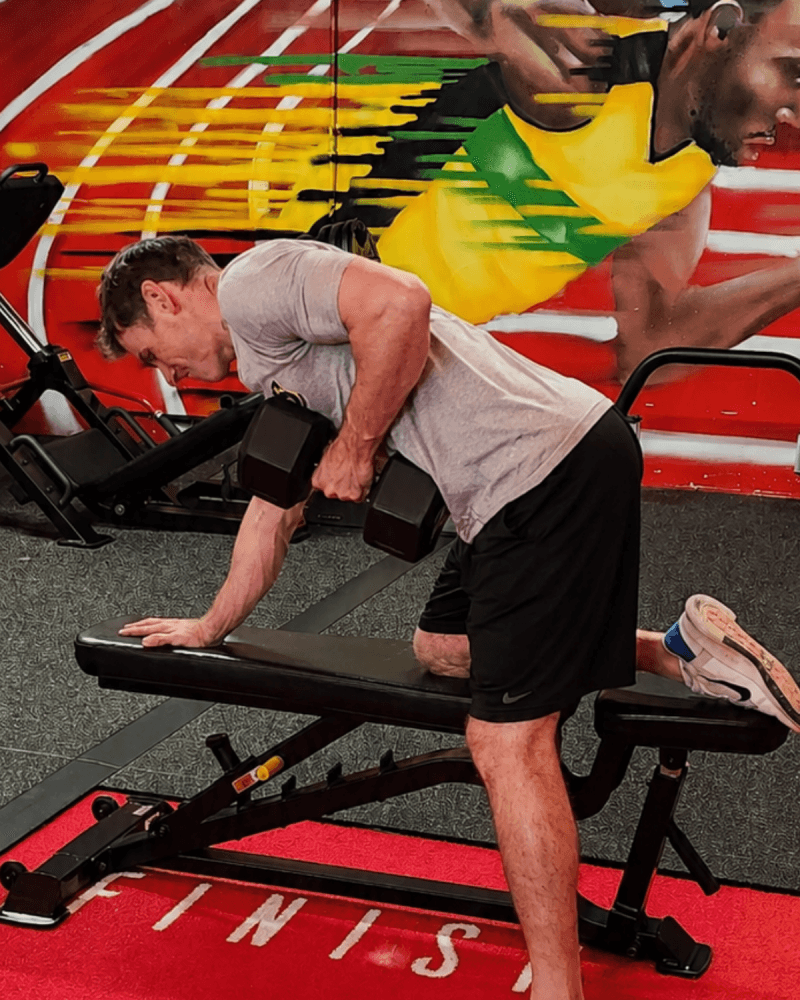
If you’re short on time, strength training is the high-leverage asset.
Walking has value. Cardio has value. A decent sweat can clear your head. But most of that is short-term output. You burn some calories, feel virtuous, and then the effect disappears by the time you’re back at your desk.
Strength training is different.
It forces adaptation.
It gives the body a reason to keep muscle, improve metabolism, and stay physically useful rather than just lighter and softer. That matters more after 40, not less. Muscle isn’t just cosmetic. It helps with insulin sensitivity, metabolic rate, resilience, and how your body handles stress.
So if your week is full of steps, sport and random cardio but light on strength work, you haven’t built a health system. You’ve built movement theatre.
That’s why I’m opinionated about it.
Busy leaders don’t need more low-leverage tasks. They need a few high-ROI ones done consistently. Strength training sits near the top of that list.
2. Practical Nutrition
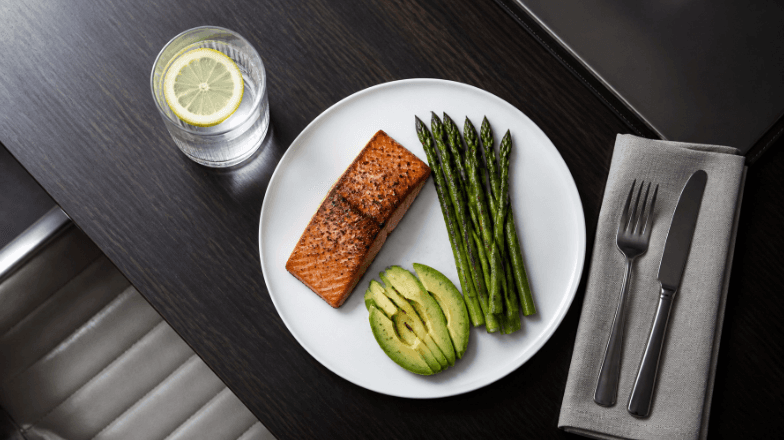
The second pillar is food that supports the goal without turning your life into a meal-prep hobby.
Most leaders don’t need more nutrition information. They need fewer decisions and better defaults.
That starts with protein.
If protein is too low, hunger goes up, recovery drops, and food drift gets worse. Then come the snacks, the “healthy” extras, the evening cupboard raid, and the quiet feeling that you’ve been pretty good despite the fact nothing is changing.
This is where a simple framework helps.
PVC: Protein → Veg → Carbs
That one rule sorts out most meals without fuss.
Protein first, because it keeps you full and supports recovery. Veg next, because most people don’t eat enough of it unless there’s a reason. Carbs after that, based on output, context and appetite, not because they happened to arrive on the plate first.
That’s practical nutrition.
Not perfect meals. Not weighing spinach. Just standards that travel well and still work when the diary is full.
3. Optimised Sleep

This is the one many capable leaders try to bluff their way through.
They’ll accept poor sleep as part of a full life, then wonder why energy is patchy, cravings are higher, patience is thinner, and the lower belly fat won’t shift.
Poor sleep is an energy leak.
It drives hunger up, makes rubbish food harder to say no to, and leaves you trying to solve a recovery problem with caffeine, sugar and willpower. Not exactly a high-performance strategy, that.
It also makes training less effective.
If recovery is poor, effort goes up and return goes down. You feel flat, you train inconsistently, and your body gets very good at holding onto the exact look you’re trying to move away from.
You don’t need a monk-like evening routine. But you do need to stop pretending that faffing around on your phone after 10pm has no cost.
4. Accountability
The final pillar is accountability.
Because even a good system is only useful if there’s a standard attached to it.
You can have good intentions, decent knowledge, and absolutely no meaningful feedback loop. So the standards slide, the exceptions multiply, and the whole thing drifts back into “I’ll sort it next week.”
Accountability stops you drifting off course.
It turns vague hopes into something measurable. It forces honesty. It keeps the standard in place when work gets busy, travel picks up, or family life gets messy.
Left to yourself, it is very easy to negotiate with your own excuses. Most people are brilliant at it.
A system works better when someone is there to hold the line.
What Usually Changes Things
The answer is rarely more effort.
It’s usually fewer moving parts and higher standards.
In my experience, the leaders who finally get traction aren't the ones who become obsessed with health. They’re the ones who stop treating it like a hobby assembled from whatever fits around the diary. They stop relying on Random Acts of Fitness and start expecting their routine to do an actual job.
That might mean less variety and "entertainment". Less heroic compensation. Less pretending that one decent session undoes six days of poor food choices.
It usually means a bit more honesty too.
If padel is your hobby, fine. Keep it. If walking helps your head, good. Keep that as well. If you like a weekend ride, no problem.
But don’t confuse any of those things with a system if your body is giving you the opposite vote.
The goal isn’t to become a fitness bore who travels with chicken and a spreadsheet. It’s to build something simple enough to repeat and solid enough to work when life is busy, because life is going to stay busy.
That’s the bit a lot of leaders over 40 find oddly relieving. They don’t need more complexity. They need less randomness.
Health gets easier when there are fewer moving parts and higher standards.
If you want help looking at your current setup with a bit more objectivity, drop me a message. I'm always happy to help.